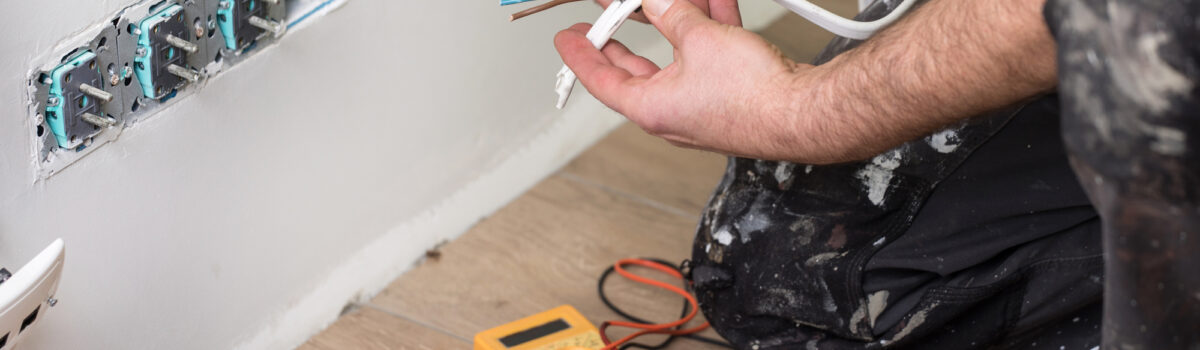
dental equipment cables and connectors

How to Choose the Right Cables and Connectors for Dental Equipment

When it comes to dental equipment, choosing the right cables and connectors is crucial for the proper functioning of dental devices. Whether you’re setting up a new dental clinic, maintaining equipment, or upgrading your tools, understanding how to select the right cables and connectors will ensure seamless operation, prevent downtime, and improve the overall patient experience. The dental industry demands high-quality, reliable equipment, and even the smallest components, like cables and connectors, play a pivotal role in performance.

In this article, we’ll guide you through the key considerations when choosing dental equipment cables and connectors, and how these components contribute to a safe and effective practice. Additionally, we’ll touch on how these selections align with the work of a renowned cosmetic dentist, who relies on top-notch equipment to deliver precise treatments.


Why Choosing the Right Cables and Connectors Matters

Dental equipment is often complex, involving a variety of devices like X-ray machines, dental chairs, handpieces, curing lights, and ultrasonic scalers. These devices require specialized cables and connectors to function properly. If these components are of poor quality or incompatible, they can lead to malfunctions, inaccurate readings, or even equipment failure.

Dental equipment cables and connectors connect devices to power sources, data systems, and other devices. Whether it’s a high-speed handpiece or diagnostic tool, the connections must be secure and dependable. A malfunctioning cable or connector could interrupt procedures, compromise patient safety, or cause unnecessary delays in treatment.

For instance, a renowned cosmetic dentist performing intricate smile makeovers relies on precise equipment to ensure that treatments such as veneers, whitening, and implants are done flawlessly. The equipment’s reliability depends not only on the dentist’s skill but also on the proper functioning of cables and connectors.


Key Factors to Consider When Choosing Cables and Connectors for Dental Equipment

1. Compatibility with Dental Equipment

One of the first things to check when choosing dental equipment cables and connectors is compatibility. Dental tools and machines often have very specific requirements regarding cable types, voltage, and connector sizes. Each brand or device may have proprietary connectors, so it’s essential to choose cables and connectors designed specifically for your equipment.

For example, dental handpieces often require specialized connectors for high-speed rotation, while diagnostic tools like X-ray machines may need cables that can handle high voltage. Always refer to the manufacturer’s specifications for each piece of dental equipment to ensure the cables and connectors you choose are the right fit.


2. Durability and Quality

Dental offices are fast-paced environments with continuous use of equipment. Choosing durable cables and connectors is essential to ensure longevity and minimize the risk of damage. Low-quality cables may fray, corrode, or suffer from broken connections over time, which can disrupt the operation of critical devices.

Opt for cables and connectors made from high-quality materials such as reinforced copper and durable plastics. These materials offer better resistance to wear and tear, and they provide superior conductivity. This is particularly important in environments where dental procedures are regularly performed, and equipment is in constant use.

A renowned cosmetic dentist, for instance, would need cables and connectors that can withstand frequent use in a high-traffic clinic without compromising the accuracy and safety of cosmetic procedures like teeth whitening or dental implants.


3. Safety Features

Safety is a top priority in any dental practice. When selecting dental equipment cables and connectors, make sure they have built-in safety features to protect against electrical hazards. This could include features like grounding, short-circuit protection, or insulation to prevent accidental shocks.

Using cables that meet industry safety standards, such as those set by UL (Underwriters Laboratories), is crucial. These safety certifications ensure that the cables and connectors meet rigorous performance and safety requirements.


4. Flexibility and Length

The flexibility and length of dental equipment cables can impact your practice’s workflow. Cables that are too short or rigid can limit the mobility of dental tools and hinder the dentist’s ability to perform procedures efficiently. Flexible cables that are long enough to reach all necessary equipment without becoming tangled or restricting movement are ideal.

For example, when setting up equipment in a dental operatory, having cables that are easy to manage and move around can save time during procedures and reduce clutter. A renowned cosmetic dentist working on multiple patients daily would appreciate cables that allow for smooth transitions between various equipment without interruptions.


5. Ease of Maintenance and Replacement

Dental equipment undergoes regular wear and tear, so it’s important to choose cables and connectors that are easy to maintain and replace. Opt for components that are simple to clean and inspect for damage. Replaceable connectors and modular cables can save time and money by allowing you to repair or replace damaged parts without replacing the entire equipment.

Additionally, keep spare cables and connectors on hand to minimize downtime when replacements are necessary. This proactive approach helps ensure that your dental practice runs smoothly without unnecessary delays during patient appointments.


6. Price and Cost-Effectiveness

While it’s important to choose high-quality cables and connectors, you also need to consider the cost. Dental equipment components can be expensive, so finding a balance between quality and price is essential. In some cases, choosing premium cables and connectors may be worth the investment due to their longevity, reliability, and safety features.

However, there are also affordable options that provide good quality without exceeding your budget. When evaluating prices, consider the long-term benefits of choosing reliable and durable components that minimize maintenance and repair costs.


Conclusion

Choosing the right dental equipment cables and connectors is essential for ensuring the optimal performance and longevity of your dental devices. By considering compatibility, durability, safety features, flexibility, and maintenance ease, you can make informed decisions that enhance your practice’s efficiency and reduce the risk of equipment failures.

A renowned cosmetic dentist understands the importance of every detail in their practice, from the precision of their instruments to the reliability of their equipment. Whether performing intricate cosmetic treatments like veneers or offering general dental care, the right cables and connectors play a significant role in achieving the best results.

By investing in high-quality cables and connectors, you can create a more efficient, safe, and effective dental environment that meets the needs of both your patients and your practice.


Essential Dental Tools for Practices

Top 5 Dental Tools Every Practice Should Have in Their Toolkit

In the world of dentistry, having the right tools is crucial for providing top-quality care and ensuring patient satisfaction. From basic instruments to advanced technology, essential dental tools for practices not only improve efficiency but also enhance the quality of treatments. In this blog, we’ll cover the top 5 tools every dental practice should have to stay competitive and provide excellent patient care.

1. Dental Handpieces: Precision in Every Procedure

One of the most essential dental tools for practices is the dental handpiece. Whether you’re drilling, polishing, or cleaning, the dental handpiece is a workhorse in every dental procedure. These handpieces come in two main types: high-speed and low-speed.

  • High-Speed Handpieces: These are designed for cutting, cavity preparation, and more invasive procedures. The high speed reduces tissue damage and leads to quicker recovery for patients.

  • Low-Speed Handpieces: Ideal for polishing, finishing, and other detailed tasks, these handpieces provide better control for delicate procedures.

Having high-quality handpieces ensures your practice runs smoothly, offering fast, efficient, and comfortable treatments.

2. Cosmetic Bonding Tools: Quick and Effective Smile Enhancements

When it comes to smile makeovers, cosmetic bonding is a popular choice. For patients who want to correct small imperfections like chips or discoloration, cosmetic bonding provides a fast, cost-effective solution. Without undergoing lengthy dental procedures, cosmetic bonding offers a quick and efficient solution for many cosmetic concerns.

  • Bonding Resin Applicators: These tools help you apply resin smoothly and precisely, giving your patients a natural-looking smile.

  • Curing Lights: Once the resin is applied, curing lights are used to harden the material, making it durable and long-lasting.

With the right cosmetic bonding tools, dentists can quickly fix imperfections, making it a go-to procedure for patients looking to enhance their smiles without the hassle of more invasive treatments.

Without undergoing lengthy dental procedures, cosmetic bonding offers a quick and efficient solution that meets the needs of many patients seeking a fast aesthetic fix.

3. Digital X-Ray Systems: Precise Diagnostics in an Instant

Digital X-ray systems are now a must-have tool in every modern dental practice. They allow for accurate imaging of teeth and gums, providing invaluable information for diagnosis and treatment planning. Digital X-rays are one of the most important essential dental tools for practices, offering numerous benefits.

  • Less Radiation: Digital X-rays emit much less radiation than traditional X-rays, making them safer for both patients and staff.

  • Instant Results: These systems provide immediate feedback, allowing you to make quick decisions during treatment.

  • Easy Storage and Sharing: Images are stored digitally, which makes it easy to keep patient records and share images with other specialists when necessary.

Investing in a digital X-ray system improves your diagnostic capabilities and ensures you can offer the best care possible with minimal risk.

4. Ultrasonic Scalers: Efficient, Gentle Cleanings

Ultrasonic scalers are another key tool that should be part of any dental practice’s toolkit. These devices use high-frequency vibrations to remove plaque, tartar, and debris from the teeth and gums, providing a deep clean.

  • Comfort for Patients: Unlike manual scalers, ultrasonic scalers are gentler on the teeth and gums, reducing discomfort during cleanings.

  • Faster Cleanings: The ultrasonic scaler can remove buildup more quickly, which is especially useful in a busy practice.

  • Versatility: In addition to general cleanings, ultrasonic scalers are effective for treating gum disease and performing periodontal therapy.

By using an ultrasonic scaler, you can provide quicker, more comfortable cleanings, improving both patient satisfaction and clinic efficiency.

5. Intraoral Cameras: Better Communication and Diagnosis

Intraoral cameras are invaluable essential dental tools for practices, allowing you to see and show your patients what’s going on inside their mouths. These small, high-resolution cameras capture clear images of teeth, gums, and other oral structures, making diagnosis and treatment planning much easier.

  • Early Detection: Intraoral cameras help you spot problems like decay, cracks, or gum disease early, allowing for quicker intervention.

  • Improved Patient Communication: With real-time images, patients can better understand their oral health. This helps build trust and encourages them to follow through with recommended treatments.

  • Accurate Record Keeping: You can store images for future reference, tracking changes over time and providing better continuity of care.

Using intraoral cameras improves patient understanding of their conditions and allows for more precise treatment planning, ultimately enhancing the quality of care you provide.


Why Investing in the Right Dental Tools Matters

Having the right tools in your dental practice can make a world of difference. Essential dental tools for practices like handpieces, cosmetic bonding tools, digital X-rays, ultrasonic scalers, and intraoral cameras all play a role in improving patient outcomes and increasing efficiency.

By investing in high-quality equipment, you’ll:

  • Enhance Patient Outcomes: Whether it’s fixing cosmetic flaws with bonding tools or diagnosing issues earlier with digital X-rays, the right tools help you provide better results.

  • Improve the Patient Experience: Tools like ultrasonic scalers and intraoral cameras make procedures more comfortable and transparent, which boosts patient satisfaction.

  • Increase Efficiency: With better tools, your practice can perform procedures more quickly and effectively, allowing you to see more patients without sacrificing quality.

The tools you use in your practice directly affect the care you provide. By keeping up with the latest technology and investing in quality instruments, you’ll position your practice for success.


Conclusion

The right dental tools are essential for providing top-notch care and staying ahead in a competitive field. From cosmetic bonding tools to digital X-rays, the essential dental tools for practices we’ve covered are fundamental to enhancing the quality of care and improving patient satisfaction.

Without undergoing lengthy dental procedures, cosmetic bonding offers a quick and efficient solution for many patients seeking an easy way to fix minor dental flaws. Whether you’re performing general cleanings with ultrasonic scalers or providing a smile makeover with cosmetic bonding, these tools will help you deliver the best results for your patients.

By investing in these essential tools, you’ll ensure that your practice continues to thrive and meet the needs of both your team and your patients. Keep your toolkit stocked with the latest and most effective instruments to provide exceptional care every time.


All on Four Dental Implants

All on Four Dental Implants: Dental Drills & Test Equipment

Demystifying All on Four dental implants is worth talking about, because they’re all the rage with dentists and their patients – with only Invisalign ahead of them, and of course toothache and pain being a top priority for dental patients.

So – what are All on 4?

The term All-on-4® refers to the fact that this technology allows for a full set of upper and/or lower replacement teeth to be permanently affixed in the patient’s mouth, anchored by a total of as few as 4 dental implants per set of teeth. Conversely, a full mouth of implants using traditional methods would require 8-10 implants per jaw and significantly higher costs and longer recovery time.

Because only 4 to 6 implants are generally necessary (with some exceptions), the procedure is much less costly than other replacement options and the entire process is much quicker as well. This means far less downtime for patients and a quicker road to recovery as well as a shorter journey to looking their best and to the resumption of normal eating habits.

They’re big everywhere now – from New York to London, to Paris to Tokyo, Sydney, Auckland, Melbourne and Brisbane.

In addition, unlike with traditional dentures, the All-on-4® “implant supported denture” allows the mouth’s supporting bones to keep their shape. On the contrary, when wearing traditional “false teeth” the jaw bones gradually shrink as there are no teeth or implants to help maintain bone structure.

This change in shape causes the dentures to become loose and, as such, the dentures may need to be periodically replaced, adding to the expense a patient must shoulder during their lifetime.

The benefits of All-on-4® treatment

After consultations about various options for teeth replacement, including conventional dentures, many patients opt for All-on-4® “hybrid” dentures because of the many advantages this technology provides. With All-on-4®:

• Full arch rehabilitation is achieved with as few as 4 implants
• Patients enjoy minimum recovery time and immediate function of their new teeth
• Dentures remain tightly in place and don’t have to be removed for cleaning
• The solution is often more affordable than other implant replacement options as fewer implants and bone grafting procedures are generally required.
• Patients with bone loss can take advantage of this technology
• Top dentures do not require coverage of the roof of the mouth to maintain stability
• An excellent success rate has been recorded amongst patients choosing the All-on-4® treatment option
• Ultimately, patients receive a beautiful, dazzling smile and the restored self-confidence that comes with straight, white, healthy-appearing teeth

About the procedure

It’s said by many that dental technology may have reached its zenith in All on 4 dental implants alongside Instagram and its new rivals Smilestyler and Myobrace.

Any remaining teeth will have been extracted before your AO4 surgery. This can be done on the same day though your surgeon may schedule it for a different time, depending on your individual situation.

Surgery begins with anaesthesia, which might be “local” numbing injections in the gums or could potentially be a general anaesthetic that will put you to sleep, if you prefer. Once remaining teeth are extracted, your surgeon will determine if you require bone grafting prior to implant placement. If no bone grafting is required, your own jaw bones will be smoothened in preparation for your implants.

Your implants will be placed with the help of a computer-generated custom surgical splint, that will allow your surgeon to perfectly locate the implants in your jaw bone. After the implants are placed, any incisions are stitched and the mouth is cleaned.

At this point, you’ll be fitted with your new teeth. You may receive a temporary “immediate denture” first, which is lighter and will put less pressure on the implants. This will be replaced just a few months later with your “permanent” teeth.

These are reasons why people choose implants over veneers – confidence in the dental technology is at all all-time high.

Your surgeon will provide instructions on after-surgery care and you will be instructed as to when to return for regular check-ups and maintenance. With proper care and regular dental visits, your new teeth can last a lifetime.

Dental Drills Need a Lot of Training

In 2004, a group of Alaska Native students returned from training in New Zealand and became Alaska’s first Dental Health Aide Therapists. In response to a need for regular oral health care in the Alaska Tribal Health System, DHATs were pioneers in providing access to mid-level dental care and prevention services for Alaska Native people living in rural communities across the state.

In addition to expanding care in Alaska, the ADTEP also supports expanding dental care in Tribal communities across the United States. Since 2015, 13 students representing Tribes from the Pacific Northwest have enrolled in the program. In 2016, the first Alaska educated DHAT was hired by the Swinomish Tribe in Washington to assist their dental team in meeting the overwhelming oral health care needs of their tribal members.

Alaska’s DHATs and ANTHC’s Educational Program are recognised as the model of success for improving oral health and access to care for rural populations around the world.

ANTHC partners with the Iḷisaġvik Tribal College and offers an Associate’s Degree in Dental Therapy. Washington, Oregon, Idaho, Arizona and New Mexico passed legislation and approved DHAT Programs in their states. ANTHC also provides DHAT Educational opportunities for First Nations students from Canada under the Jay Treaty.

In Summary

All-on-4® is a minimally invasive method of placing a full mouth of implants only using four implants to support a full arch (upper or lower) fixed non-removable replacement teeth. All-on-4® allows you to have a full set of teeth without having to undergo multiple surgeries and replacements to place a full set of implants in your mouth. Indeed, while office and clinic technology like Sharepoint is complex now it’s important for customers that demystification is overcome with communication. The greatest thing about All-on-4® is that the procedure we can typically complete it in our office during one appointment under local anaesthesia. For patients who have lost all their teeth or may need to have the remaining teeth pulled due to decay, this is an amazing advancement that allows them to have a full set of teeth without undergoing multiple procedures. Simultaneously, this solution gives patients the kind of teeth that look real and act like the original teeth.


Electronic Waste

Where Do I Put My Electronic Waste?

Did you know that your obsolete and conked out electronics constitute the world’s fastest-growing source of waste? That’s right. As a matter of fact, the United States generates most of the world’s electronic waste. One would think that your old television set or outdated iPad is harmless. Truth be told, wastes like these contain toxic substances, such as lead and mercury, which are deleterious both to us and the environment. If that’s the case, where do I put my electronic waste?

Where Do I Put My Electronic Waste?

Remember that electronics can’t be tossed out in an ordinary landfill. The best thing you can do in removing commercial and electrical waste products is to recycle them. You can also send them to facilities that reprocess old and worn out electronics. Better yet, you can donate your unwanted electronics if they still work.

According to government data, Americans toss 100 million cell phone units, 41.1 million desktops and laptops, and 20 million tv sets each year. Sadly, only 13 percent of electronic wastes are disposed properly and/or recycled. What’s more alarming is that this number will shoot up by 500 percent in 10 years.

Greenpeace said that electronic waste are disposed in four ways: either through a landfill, by incineration, reusing and recycling, and exportation. In the United States and many progressive countries, laws were passed and guidelines were introduced to prevent electronic waste from being unloaded in landfills. But in least developed countries and in some places, like Hong Kong, discarded electronics are sent to landfill sites.

It has also been a practice to incinerate electronic waste. While this is ideal since it does not require much space, incineration is still a big no as heavy metals are discharged into the atmosphere. It poses deleterious effects not only to the environment, but also to some of our food sources. When released into the atmosphere, fishes and other marine creatures can bioaccumulate the heavy metals.

Electronic wastes are also exported to developing countries, either to be reused or dumped. In 2005, 18 seaports in Europe were inspected and found to illegally ship discarded electronics. While in the United Kingdom, Greenpeace reported that 23,000 metric tonnes of electronic waste were exported to India, Africa and East Asia. This is also practiced in the United States, but is considered legal as the country did not sign the Basel Convention.

So before you put your electronic waste in the bin, think about where it is going and its would-be effects if not disposed properly.


New Kitchens

New Kitchens: Sizzling with Appliances

The kitchen is an important part of the house and the place is just tad different and lacking without it. The kitchen is used on a regular day to day basis in the preparation of food. This is the reason why a huge number of homeowners in the present take the necessary measures in making sure their kitchen is well managed and is kept clean. This in turn motivates people to spend more time in the area preparing food with ease. Modern technology has also contributed greatly introducing new changes and innovation in the kitchen space. Let us look at some of the electrical appliances now available in the state of the art modern kitchen.

New Kitchens: Sizzling with Appliances

Electronics have replaced quite a number of kitchen appliance in the present. All of this is done in an effort make kitchen work relatively fast and easier to complete. One good example of this can be found in the way people boil their water. The Stagg EKG is known as a minimalist electric kettle that has several nifty features. It offers variable temperature control allowing users to select their desired temperature. There is also an LCD screen which gives users insight into what the temperature currently is. Another handy feature is found with its Bluetooth connectivity, which means you can switch it on or off with your smartphone, as well as adjust the goal temperature.

Grilling food has also evolved allowing for easy and fast setup. The Cinder, a sensing cooker is able to measure the thickness of your food to determine how long it needs to cook. This in turn allows its users to leave the food as they will be notified when its ready saving them a considerable amount of time and convenience as a result.

Refrigerators have also gone a very long way and has greatly changed and evolved over the years. For instance, the Samsung Family Hub is a smart fridge with a big touchscreen. It fridge has Wi-Fi capabilities and an 8-inch LCD display. It possesses third-party functions which includes grocery ordering and other handy applications.

What’s a kitchen without an oven? Samsung’s New Wi-Fi Range brings new era of connectivity and convenience to the kitchen. The Samsung Flex Duo ™ Slide-in Range with Dual Door™ gives home cooks the freedom to control their meal prep times and temperatures without having to stay in the kitchen. The range also allows users to remotely monitor the cooktop and oven functions on your smartphone using a simple app. If cooking in the countertop is your thing, Panasonic has got you covered with its Countertop Induction Oven. The device speeds up cooking promising a roasted chicken dinner done in less than 30 minutes.

These are some of the many innovative kitchen appliances that are available for purchase in the present. If you are planning on going full electronic route with your kitchen appliances, we advise that you don’t forget to take the necessary adjustments to your kitchen. Adding a few outlets can help support multiple device with relative ease. You may also visit this link to find helpful tips on electrical work in kitchen cabinets to make sure that their wires kept safe and are properly organized. This is very important especially since you will be dealing with a number of wires and you don’t want to risk having them short circuited at any time.


Sparkies All Charged Up Over Current

Sometime in our life, we kind of take electricity for granted. This being said, electricity is an important element of our day-to-day routine. It keeps our food cold or warm, gives life to our electronic gadgets, and even maintain the temperature inside our house. When there’s something wrong with the load of our current, we seek the help of electricians.

As per the Bureau of Labor Statistics (BLS), there are more than half a million electricians in the United States. They risk their lives in ensuring our safety. In terms of remuneration, top electricians, who are good at their job, bring in as much as $67,000 each year. Their rates and servicing depend on their experience and expertise.

Electricity is a two-edged sword. It can be helpful and dangerous as well. But what makes electricians charged up over wires and currents? Let us explore the world of electricians.

Sparkies All Charged Up Over Current

Working as an electrician is a great and fulfilling job. There are days where you will be doing an array of tasks, while on some days, you will feel overpaid wiring some panels or sitting in your shop. The future of their career is bright, too. According to the BLS, there will be a 20 percent surge in demand of electricians until 2022. Although some governments are gearing towards renewable energy sources, electricians will still be needed in installing panels and wiring some electrical cables.

There are numerous reasons why anyone would pursue a career as an electrician. One of which is the active and thrilling experience that this line of work can give. If you don’t like spending the rest of your life working in a confined office space in front of your desk, then this career is meant for you. Electricians get to work in different environments and work using their bare hands. Those who like puzzles and challenges will definitely enjoy working day and night as an electrician. When at work, they do some problem solving while laying out plans on how to solve complex issues. Moreover, this job gives you an opportunity to be your own boss. You can start your own empire and manage your own business!


hearing aids

Electronics: Making Disability More Manageable

Technology has gone a very long way offering new advances and innovations to each and every one of us. Several industries have benefited greatly from modern technology improving the lives of people around them. The field of medical science in particular, has made several changes and improvements refining their service and practices along the way. Let us consider electronic devices and how they are making the lives of the disabled community easier in the present.

You will not be finding any shortage of electronic aids that are now available on the marketing. A lot of change has happened and this is quite apparent with today’s hearing aids when you compare them to the past. Billions of dollars are spent every year on research by the hearing aid manufacturers. Research scientists comprised of audiologists, physicians, electrical and sound engineers, and others work together to bring you the best hearing possible in the smallest space possible.

The more they learn, the better able they are to mimic what a normal functioning hearing system does through the use of highly sophisticated miniaturized computers that are found in today’s digital hearing instruments. As electronic components get smaller so do the hearing aids. The refinement being done with these hearing aids offer a huge amount of relief making more wearable than ever before.

There is also devices such as the super pacemaker wherein if the heart skips beats, pulses of energy are delivered to the heart wall. The ICD can sense the top chamber contracting and — if the lower chamber fails to respond — will send out pulses to the right lower chamber.

Travel times has also become a simpler task with the emergence of motorized wheelchair. This is a wheelchair that is propelled by means of an electric motor rather than manual power. Motorized wheelchairs are useful for those unable to propel a manual wheelchair or who may need to use a wheelchair for distances or over terrain which would be fatiguing in a manual wheelchair.

For those with sleep disorders, the nightingale smart home sleep system is currently being research to provide timely and effective solution to the problem. The Nightingale consists of two units that plug into the wall in a room. Each unit has two speakers. The separate units work in tandem to “blanket” the room with customizable sound that masks indoor and outdoor noises which might otherwise disturb your sleep.

Kids have also benefited greatly from modern technology. For instance, there exists an immersive virtual reality gaming helps kids with hemophilia get through infusions. At Nationwide Children’s Hospital in Columbus, Ohio children with hemophilia that have to undergo regular procedures involving needles, such as infusions, now have something better to look forward to. The hospital is now offering a virtual reality headset that runs a game specially designed to take kids’ attention away from scary and painful medical procedures. This in turn helps keep them busy as they are taking shots.

There is indeed a number of disability aids that are now available in the present which is good to hear. Patients should not feel reluctant in using these devices especially since careful research and planning is done in each and every one of them. Consider making good use of the electronic devices mentioned in this article today.


Electronic Products

Marketing Things that Blink, Whistle & Flash: Electronic Products

Sharing promotional products to your target audience is still a very much common practice. Companies and business owners make use of this particular marketing approach on a regular basis helping pique the interest of their customers. Just about any type of products or services can be marketed by sharing promotional items. Let us look at how one can promote the likes of electronic products to their potential customer base, through things like printed stationary and the likes.

As mentioned earlier, companies today keep their hands full in finding different avenues in promoting their business. Promotion is important for businesses simple because it provides a great number of benefits. It contributes in increasing brand awareness, it provides appropriate information, it increases customer traffic and finally it helps build sales and profits. This is the reason why both newcomers and veterans in the business industry.

Before you start sharing these items, It should be noted that there are different types of promotional items and each is tailor-made to suit specific must have of a particular organization. This means that as an organization owner, the type of advertising product that you go for will by and large be determined by the kind of industry that you run. Some promotional merchandises will work better in selling your enterprise than others.

For that matter, it is relatively important to choose the most effective promotional products for your business. In order to be able to be effective in advertising your company or your brand, a promotional product must be useful to the recipient. A useful promotional product means that the recipient will want to keep it and use it. Another to note is that the promotional product you give away should represent your company well which means that you have to share items that are of high quality.

So how does stationery items fare as a promotional item in the present? Well it turns out, stationeries are still very much popular to a huge number of individuals. In fact, reports have been heard of a popular stationery store creating eight new jobs in Colchester. Smiggle which is a store claiming to be Australia’s most fun and colourful stationery retailer is set to open in Colchester town centre, creating eight jobs. The branch will be Smiggle’s 82nd store and will feature a treasure trove of quirky products with the company’s branding based on bold colour and graphics.

As a you can see, stationery products are still pretty common and is used on a regular basis. Of course, finding the item to use is not the end of the journey. You will also need to know how to make promotional items yourself. With the help of modern technology, companies today are able to website’s design tools to upload their company logo onto their selected product. Once the image is loaded, they can view the image on the product. After that you can add your company name under the logo using the text option. Furthermore, don’t forget to select a text color that matches your company logo.

There is indeed plenty of ways in promoting your business. If you are looking for one, you may want to start sharing promotional items with them today. Consider the tips listed below with the electronic products you have.